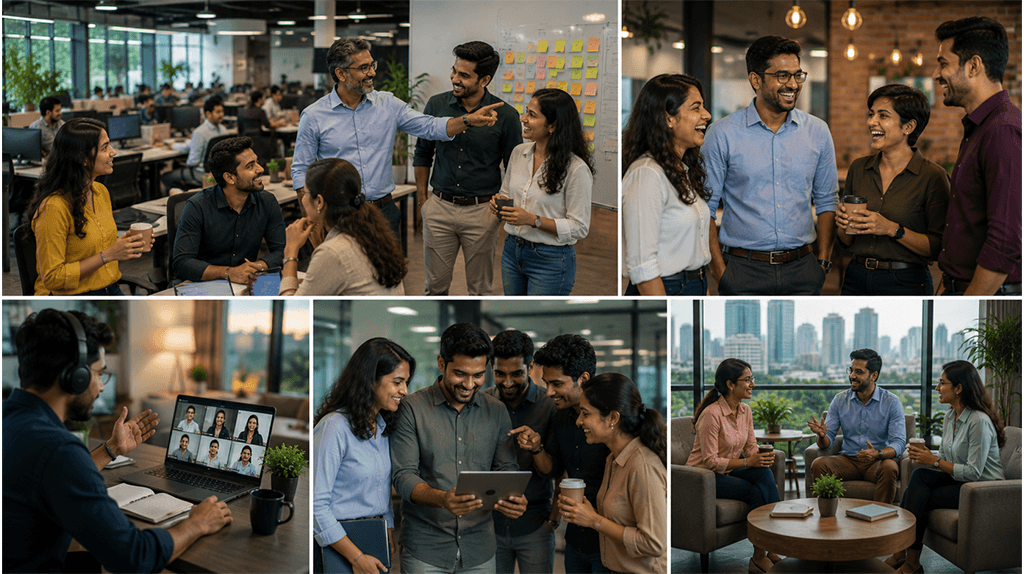
By Pooja Bajaj, Founder & CEO – ExtraMile
A few years ago, employee engagement in India was often associated with surface-level perks, Friday lunches, office parties, or the occasional offsite. While these initiatives had their place, they were never enough to build lasting connection or trust.
As we step into 2026, I can say with confidence that the conversation around employee engagement has fundamentally changed. Indian workplaces are no longer asking, “What perks should we offer?”
They’re asking, “How do we create a culture people genuinely want to be part of?”
Having worked closely with organizations across industries and geographies, I’ve seen this shift firsthand. Engagement today is deeper, more intentional, and far more human.
Why Perks Alone No Longer Work
The modern Indian workforce is more aware, diverse, and vocal about what they want from work. Salary and perks matter, but they are no longer the differentiators.
Employees today are looking for:
- A sense of belonging
- Emotional safety and trust
- Purpose in their work
- Growth and learning opportunities
- Recognition and respect
- Flexibility and balance
When these needs are unmet, even the most attractive perks fail to prevent disengagement.
The Evolution of Employee Engagement in India
Employee engagement in 2026 has evolved from being event-driven to experience-driven.
Indian organizations are moving away from:
- One-off celebrations
- Engagement as an annual HR activity
- Generic programs with low participation
And shifting toward:
- Continuous engagement throughout the year
- Culture-first thinking
- Inclusive engagement for hybrid teams
- Emotional connection, not just entertainment
This evolution reflects a deeper understanding of what truly motivates people.
Hybrid Work Has Redefined Workplace Culture
Hybrid work is now the norm, not the exception. Teams work from offices, homes, and everywhere in between. While this offers flexibility, it also challenges traditional culture-building methods.
In 2026, engagement strategies must answer key questions:
- How do remote employees feel included?
- How do we prevent cultural silos?
- How do we maintain connection without daily physical interaction?
Indian organizations are responding by designing hybrid engagement models, where physical and virtual experiences are blended thoughtfully, ensuring equal participation and visibility.
From Engagement Activities to Engagement Ecosystems
One of the biggest changes I’ve observed is how engagement is now seen as an ecosystem, not an activity.
Modern engagement strategies include:
- Team-building experiences (physical, virtual, hybrid)
- Festival and cultural celebrations
- Wellness and mental health initiatives
- Learning and skill-building opportunities
- Recognition and appreciation moments
- CSR and purpose-driven activities
Together, these elements create a culture where engagement is consistent, meaningful, and aligned with organizational values.
Well-Being Is Now Central to Engagement
In Indian workplaces, conversations around mental health and well-being have become more open and accepted. In 2026, well-being is no longer a separate initiative, it is integrated into engagement itself.
Organizations are focusing on:
- Emotional well-being, not just physical health
- Burnout prevention, not just productivity
- Psychological safety, not just performance
When employees feel supported as individuals, engagement becomes natural, not forced.
Recognition Has Become More Personal
Another important shift is how recognition is evolving. It’s no longer just about annual awards or formal ceremonies.
Indian workplaces in 2026 are embracing:
- Peer-to-peer appreciation
- Real-time recognition
- Value-based acknowledgments
- Inclusive recognition across roles
When employees feel seen for their efforts, not just outcomes, it strengthens loyalty and motivation.
Purpose and Social Impact Matter More Than Ever
Employees today want to work for organizations that stand for something. Engagement in 2026 is closely tied to purpose.
Many Indian companies are integrating:
- CSR initiatives
- Volunteering opportunities
- Sustainability efforts
- Community engagement programs
These initiatives give employees a sense of pride and connection beyond daily tasks.
Data-Informed, Human-Led Engagement
While engagement has become more strategic and data-driven, it hasn’t lost its human touch.
Organizations are using feedback and participation data to:
- Understand what employees truly value
- Improve engagement relevance
- Avoid engagement fatigue
- Personalize experiences
But the heart of engagement still lies in empathy, listening, and trust.
The Role of Leadership in Engagement
In 2026, engagement is not just an HR responsibility, it’s a leadership mindset.
Employees look to leaders for:
- Authentic communication
- Transparency
- Empathy during change
- Active participation in engagement initiatives
When leaders show up genuinely, engagement efforts carry far more impact.
Looking Ahead: What Truly Engages Employees in 2026
Based on what I see across Indian workplaces, the future of employee engagement is built on:
- Connection over perks
- Consistency over occasional events
- Inclusion over exclusivity
- Meaning over momentum
- Culture over compensation alone
Engagement works best when it feels authentic and aligned with who the organization truly is.
Employee engagement in 2026 is no longer about impressing employees, it’s about understanding them.
Indian workplaces are redefining culture by moving beyond perks and focusing on people, purpose, and connection. We are Extramile work with organizations who want to get employee engagement right
Organizations that embrace this shift don’t just retain talent, they build teams that are committed, motivated, and proud to belong.
And in a rapidly changing world of work, that sense of belonging is the most powerful engagement tool of all.