By Pooja Bajaj, Founder & CEO – ExtraMile
One of the most common questions I hear from HR leaders today is,
“How do we keep employees engaged throughout the year, not just during big events?”
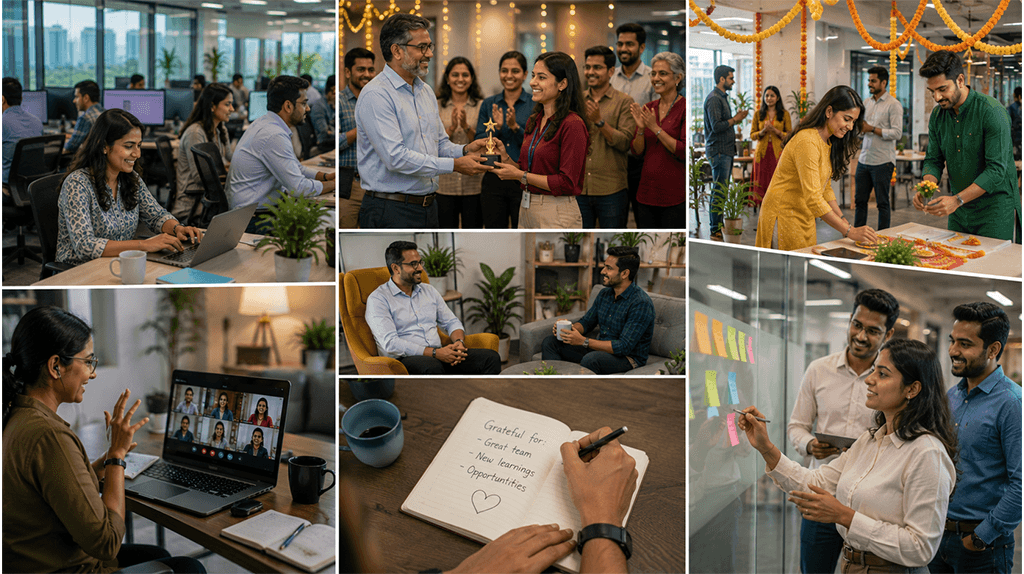
It’s a valid question. For years, employee engagement was often built around a few calendar highlights, an annual offsite, a festival celebration, maybe an awards night. While these moments still matter, they’re no longer enough.
In 2026, employee engagement has evolved into something far more continuous, intentional, and human. The most successful organizations are those that understand one simple truth:
Engagement is not an event. It’s a habit.
This blog is my attempt to outline a practical HR playbook for building year-round employee engagement, one that balances festivals and celebrations with everyday micro-moments that shape culture.
Why Year-Round Engagement Matters More Than Ever
Indian workplaces today are diverse, hybrid, and fast-moving. Teams are spread across offices, homes, and cities. In such an environment, engagement can’t be sporadic.
When engagement happens only a few times a year:
- Employees feel disconnected between events
- Momentum fades quickly
- Culture feels inconsistent
- HR teams are forced into reactive planning
Year-round engagement creates:
- Consistency in employee experience
- Stronger emotional connection
- Better morale and motivation
- A culture of belonging, not just celebration
Festivals: Powerful Anchors for Cultural Engagement
Festivals are deeply emotional in India. They connect people across regions, beliefs, and generations. From Holi and Diwali to Independence Day and Women’s Day, these moments are powerful engagement anchors.
When planned thoughtfully, festival engagement:
- Strengthens cultural identity
- Encourages participation and joy
- Brings teams together naturally
- Breaks routine in a positive way
However, festivals should be part of the engagement strategy, not the entire strategy.
The mistake many organizations make is stopping there.
Moving Beyond Festivals: The Power of Micro-Moments
What truly defines employee experience are the small, everyday interactions, what I like to call micro-moments.
These are the moments that don’t require big budgets or long planning cycles, but have a lasting impact.
Examples include:
- A manager appreciating effort in real time
- A quick virtual check-in that feels genuine
- A peer thanking another colleague publicly
- A 10-minute wellness break
- A small team celebrating a minor win
When these moments happen consistently, they create trust, connection, and emotional safety.
The HR Playbook: A Balanced Engagement Framework
A strong year-round engagement strategy blends three layers:
1. Annual & Monthly Anchors (Big Moments)
These include:
- Festivals and cultural celebrations
- Annual days and milestones
- Company town halls
- Recognition ceremonies
These moments create excitement, visibility, and shared memories.
2. Quarterly Engagement Themes (Medium Moments)
Examples:
- Wellness quarter
- Learning & development month
- Inclusion and belonging initiatives
- Team bonding challenges
These themes help HR teams structure engagement and avoid last-minute planning.
3. Daily & Weekly Micro-Moments (Small Moments)
This is where real culture is built.
These include:
- Regular appreciation
- Informal team interactions
- Open conversations
- Simple rituals that teams follow
When micro-moments are intentional, engagement becomes part of everyday work, not an extra task.
Engagement in Hybrid Workplaces Requires Intentional Design
In hybrid environments, engagement doesn’t happen automatically.
HR teams must consciously ask:
- Are remote employees feeling included?
- Are in-office teams dominating engagement?
- Are activities accessible to everyone?
A good playbook ensures:
- Every engagement initiative has a virtual or hybrid option
- Communication is clear and inclusive
- Participation is encouraged, not forced
The goal is fairness of experience, not sameness of format.
The Role of Managers in Daily Engagement
One of the most important shifts I’ve seen is the role managers play in engagement.
HR can design frameworks, but managers bring engagement to life.
When managers:
- Check in regularly
- Recognize effort
- Encourage openness
- Create safe team environments
engagement becomes organic and sustainable.
HR’s role, then, is to enable managers, not carry engagement alone.
Measuring Engagement Without Overcomplicating It
Engagement doesn’t always need complex tools to be measured.
Simple indicators often tell powerful stories:
- Participation trends
- Feedback and sentiment
- Team energy and communication
- Retention and morale
Listening matters more than measuring everything.
From Engagement Activities to Engagement Culture
The biggest shift I see in Indian organizations today is this:
engagement is no longer about “doing more activities.”
It’s about building a culture where people feel valued every day.
When engagement is woven into:
- Leadership behaviour
- Team rituals
- Communication style
- Recognition habits
it stops being an HR responsibility and becomes an organizational strength.
A year-round employee engagement strategy doesn’t need to be complicated, but it does need to be intentional.
Festivals bring joy.
Micro-moments build trust.
Together, they shape culture.
For HR leaders, the real opportunity lies in creating a rhythm of engagement, one that employees feel, not just attend.
Because at the end of the day, engagement isn’t about how often you celebrate, It’s about how consistently people feel connected – and this is why Extramile are right there for your employee engagement needs.