
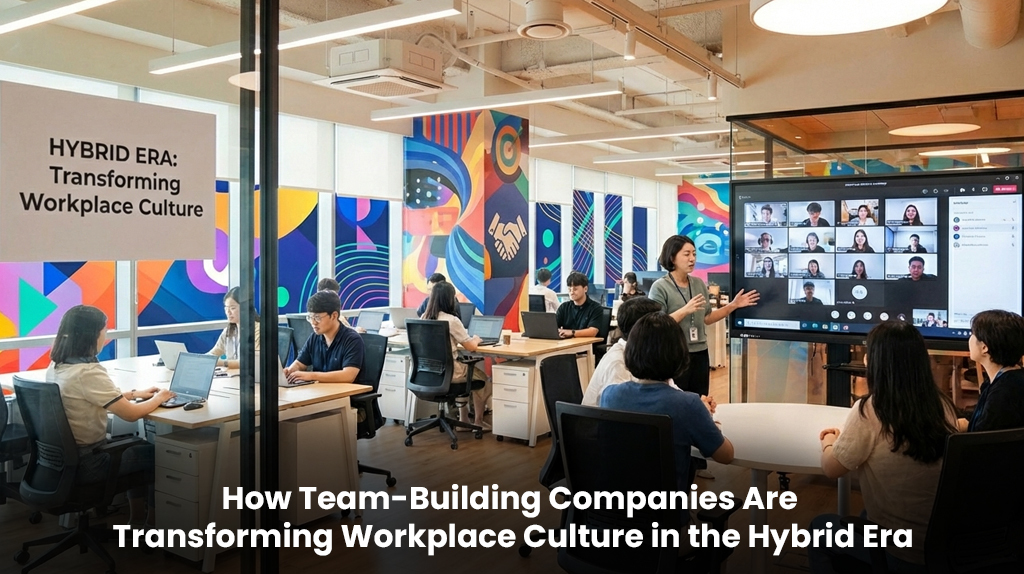
The way we work has fundamentally changed. Offices are no longer the only place where collaboration happens. Teams today are spread across cities, homes, coworking spaces, and time zones. This shift to hybrid work has brought flexibility and autonomy, but it has also introduced new challenges around connection, communication, and culture.
In this evolving landscape, organizations are increasingly turning to professional team building companies and employee engagement companies to help bridge the gap. What was once seen as “fun activities” has now become a strategic tool for building strong, resilient workplace cultures.
Let’s explore how team-building companies are playing a critical role in shaping hybrid employee engagement and transforming the way teams collaborate, communicate, and innovate.
The Culture Challenge in Hybrid Workplaces
Hybrid work offers the best of both worlds, but it also comes with unique cultural challenges:
- Reduced face-to-face interaction
- Weaker interpersonal relationships
- Communication gaps between remote and in-office teams
- Feelings of isolation among remote employees
- Difficulty building trust and team identity
Without intentional effort, hybrid teams can quickly become fragmented. This is where structured employee engagement strategies, led by experienced engagement partners, make a meaningful difference.
From Activities to Culture-Building Experiences
Modern team-building companies no longer focus only on one-day events or occasional outings. In the hybrid era, their role has expanded to designing continuous engagement experiences that support long-term culture building.
Professional engagement partners help organizations:
- Create shared experiences across physical and virtual spaces
- Encourage collaboration beyond functional silos
- Build emotional connection, not just interaction
- Reinforce company values through engagement
Team-building has evolved from being event-based to becoming culture-driven.
Strengthening Collaboration Across Locations
One of the biggest challenges in hybrid teams is collaboration. When some employees work from offices and others remotely, teamwork can feel uneven.
Team-building companies address this by designing:
- Hybrid-friendly team challenges where both online and in-person teams participate equally
- Virtual problem-solving games that require collective thinking
- Cross-functional activities that encourage interaction beyond reporting lines
These experiences help teams understand each other’s working styles, improve coordination, and collaborate more effectively, regardless of location.
Improving Communication in Distributed Teams
Clear communication doesn’t happen automatically in hybrid environments. Professional engagement programs intentionally create spaces for dialogue and interaction.
Through virtual employee engagement initiatives such as:
- Facilitated discussions
- Icebreaker sessions
- Online networking activities
- Informal virtual meetups
employees feel more comfortable expressing ideas, asking questions, and engaging with peers. Over time, this improves transparency, reduces misunderstandings, and builds trust across teams.
Driving Innovation Through Engagement
Innovation thrives when people feel psychologically safe and connected. Hybrid work can sometimes limit spontaneous idea-sharing, which is critical for creativity.
Team-building companies design engagement formats that:
- Encourage creative thinking
- Promote idea exchange across teams
- Use gamification to spark innovation
- Create low-pressure environments for experimentation
When employees feel engaged and supported, they are more willing to share ideas, challenge assumptions, and collaborate on new solutions.
Supporting Remote Team Engagement
Remote employees often miss out on informal bonding moments that naturally occur in office environments. Without intentional engagement, this can lead to disengagement over time.
Professional engagement partners help strengthen remote team engagement by introducing:
- Virtual social activities
- Online wellness programs
- Digital recognition initiatives
- Remote-friendly festival celebrations
These experiences help remote employees feel included, valued, and connected to the larger organization, reducing isolation and improving morale.
Using Gamification to Increase Participation
Gamification has become a powerful tool in hybrid employee engagement. Team-building companies use elements like:
- Points
- Leaderboards
- Challenges
- Rewards
- Team missions
to drive participation and excitement. Gamified engagement makes collaboration fun, increases involvement across locations, and helps sustain engagement beyond single events.
Creating Consistency Through Year-Round Engagement
One-off activities are no longer enough in the hybrid era. Culture is built through consistency.
Many employee engagement companies now help organizations design:
- Monthly engagement themes
- Festival calendars
- Wellness and learning programs
- Recognition touchpoints
This structured approach ensures that engagement is ongoing, inclusive, and aligned with business goals, rather than reactive or sporadic.
Why Professional Team-Building Matters More Than Ever
In hybrid workplaces, culture doesn’t build itself. It needs intention, structure, and expertise.
Professional team-building companies bring:
- Experience across diverse teams and industries
- Proven engagement frameworks
- Hybrid and virtual facilitation skills
- Creative design combined with seamless execution
By partnering with an experienced employee engagement company, organizations can move beyond transactional interactions and build workplaces where people genuinely feel connected.
The Future of Workplace Culture Is Hybrid, and Human
The hybrid era is here to stay. Organizations that succeed will be those that invest in people, not just processes.
Team-building companies are no longer just event partners, they are culture partners. By enabling collaboration, improving communication, and strengthening emotional connection, they are helping organizations create inclusive, innovative, and high-performing workplaces.
In the end, the goal of engagement is simple:to ensure that whether employees log in from an office desk or a dining table, they feel like they belong. And thats exactly why we at Extramile are to help you, contact us for more information