
By Pooja Bajaj, CEO, ExtraMile
The festive season has a unique way of bringing people together. Whether it is Diwali, Navratri, Dussehra, Christmas, Eid, or another cultural celebration, festivals create opportunities to pause, connect, and appreciate the people around us.
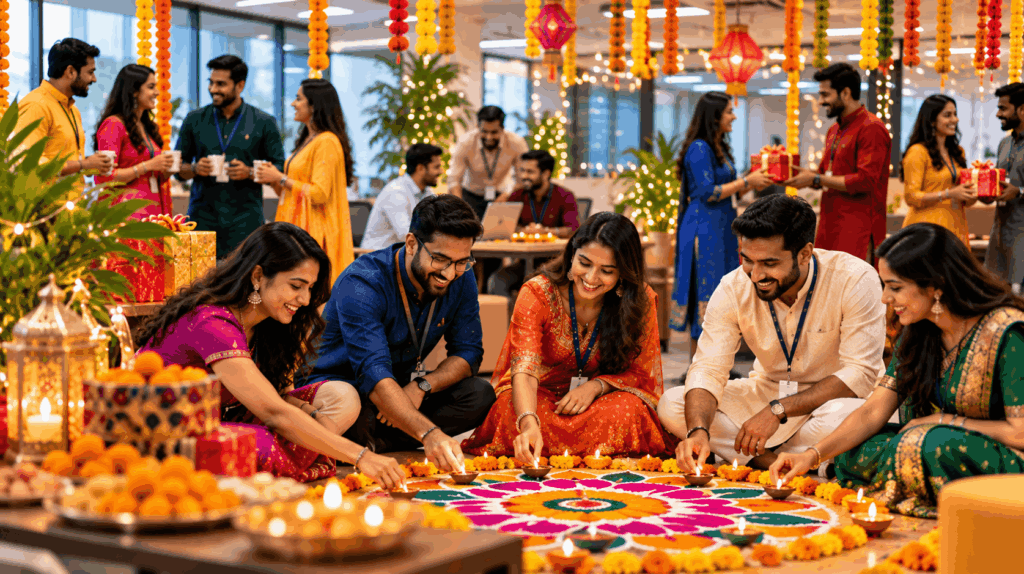
At the workplace, these moments can be much more than decorations, sweets, and celebrations. When planned thoughtfully, festive activities can become a meaningful part of an organisation’s employee engagement strategy.
Over the years, I have seen how small moments of celebration can create conversations between colleagues, bring teams closer, and help employees feel more connected to their workplace. The festive season gives organisations a natural opportunity to strengthen culture while creating experiences employees genuinely enjoy.
Here is why I believe it is one of the best times to focus on employee engagement.
1. Festivals Create Opportunities for Meaningful Connection
In a busy workplace, employees often interact only with the people they work with directly. Meetings, deadlines, and project responsibilities can leave little time for informal conversations.
Festive celebrations create a more relaxed environment where employees can interact outside their usual work responsibilities. A team game, cultural activity, shared meal, or office celebration can encourage people from different departments to connect.
These interactions may appear simple, but they can help build familiarity and trust over time.
For HR teams, the festive season is an opportunity to design activities that bring together employees across departments, roles, and experience levels. The focus should not be limited to participation numbers. It should also be about creating opportunities for genuine connection.
2. Festive Engagement Helps Employees Feel Appreciated
Employees want to feel that their contributions matter. While formal recognition programmes are important, appreciation can also be expressed through thoughtful everyday experiences.
A festive celebration can be an opportunity to thank employees for their efforts, acknowledge team achievements, and recognise the contribution of individuals who may not always be in the spotlight.
Simple ideas such as appreciation walls, peer recognition activities, team shout-outs, or gratitude messages can add meaning to a celebration.
The important thing is to ensure that recognition feels genuine and inclusive. It should not be limited only to high-performing employees or visible teams. Every employee should have an opportunity to feel valued.
3. Festivals Bring Energy and Creativity Into the Workplace
The routine of work can sometimes become repetitive, particularly during periods of high workload. Festive activities offer employees a chance to take a short break, express their creativity, and experience something different.
Organisations can introduce activities such as:
- Team decoration challenges.
- Festive quizzes and cultural trivia.
- Ethnic-wear days.
- Creative competitions.
- Traditional food showcases.
- Virtual festive games.
- Team storytelling and cultural exchange sessions.
These activities can be adapted for different team sizes, budgets, and work environments. The goal is not to organise an elaborate event every time. Even a short, well-planned activity can bring energy into the workday.
When employees have opportunities to participate in creative experiences, festive engagement becomes more personal and memorable.
4. Inclusive Celebrations Strengthen Workplace Culture
Modern workplaces bring together people from different regions, cultures, backgrounds, and beliefs. This diversity is an opportunity to learn from one another and build a more inclusive environment.
Festive celebrations should reflect this diversity rather than focus on only one tradition. Organisations can invite employees to share cultural stories, introduce regional customs, or participate in activities that encourage mutual understanding.
Inclusion also means respecting individual choices. Participation should be voluntary, and employees should not feel pressured to follow a particular dress code, activity, or religious practice.
For hybrid and remote teams, virtual activities can help ensure that employees working from different locations are not left out. A digital celebration, online quiz, or virtual cultural showcase can create shared experiences across geographical boundaries.
When employees feel respected and included, celebrations can contribute to a stronger sense of belonging.
5. Festive Activities Can Strengthen Teamwork
The festive season is also a good time to introduce team-building activities. Instead of designing celebrations only around entertainment, organisations can include experiences that encourage communication, collaboration, and problem-solving.
For example, teams can participate in a festive treasure hunt, a decoration challenge, a cultural quiz, or a collaborative creative task. These activities allow employees to work together in a setting that feels different from their regular responsibilities.
For hybrid organisations, activities can be designed to include both office-based and remote employees. Digital challenges, mixed-location teams, and online participation formats can help create a more connected experience.
Team-building activities should remain accessible and enjoyable. Their purpose is to strengthen relationships—not create unnecessary pressure or competition.
Making Festive Employee Engagement More Meaningful
The festive season provides a natural opportunity to bring people together, but meaningful engagement requires more than organising an event and checking participation numbers.
Before planning a celebration, HR teams should consider the interests of their employees, the organisation’s culture, available resources, and the needs of remote or hybrid teams. Feedback can also help organisations understand which activities employees enjoy and what they would like to experience in the future.
At ExtraMile, we believe that employee engagement should be designed around people and the experiences that help them feel connected. Festive celebrations are one part of a larger, year-round engagement approach that includes recognition, wellness, learning, team building, and everyday moments of appreciation.
This festive season, let us look beyond the event itself. Let us create experiences that encourage connection, celebrate diversity, appreciate employees, and strengthen the culture we build together.
Because the most meaningful workplace celebrations are not just about how we celebrate—they are about how we make people feel.